
WILLS & ESTATE PLANNING

Plan for What Matters Most

Estate planning is about more than preparing documents. It is about making your wishes clear, protecting the people and property that matter to you, and creating a plan that reflects your circumstances and goals.

Maglisceau & Maglisceau, PLLC works with individuals and families across North Texas to develop practical, personalized estate plans.
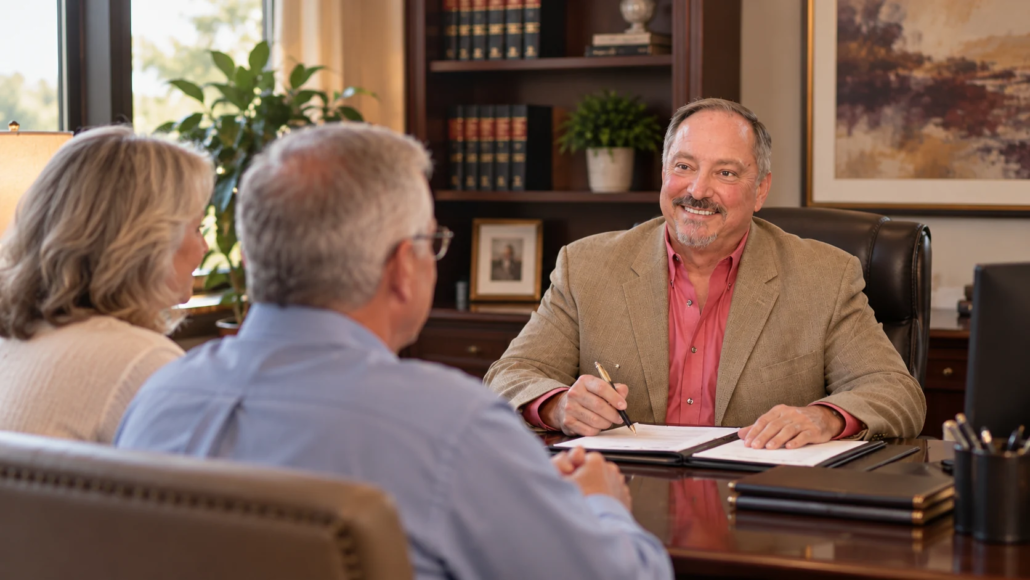
Wills and estate planning consultation with an attorney and couple in North Texas

Estate Planning Built Around Your Life

Every family, property portfolio, business interest, and long-term goal is different. An estate plan should reflect those differences rather than forcing every client into the same predetermined solution.

The process begins by understanding what you own, who and what you want to protect, and how you would like your affairs handled in the future.

Wills & Estate Planning Services

  • Last Will & Testament

    Planning how property and other matters should be addressed after death.

  • Powers of Attorney

    Planning for trusted individuals to act on your behalf when appropriate.

  • Advance Planning Documents

    Documents designed to communicate important decisions and instructions.

  • Estate Plan Reviews & Updates

    Reviewing existing documents after significant life, family, property, or business changes.

  • Property & Real Estate Considerations

    Addressing real estate interests as part of the broader estate-planning picture.

  • Business Owner Estate Planning

    Considering closely held business interests when developing an estate plan.

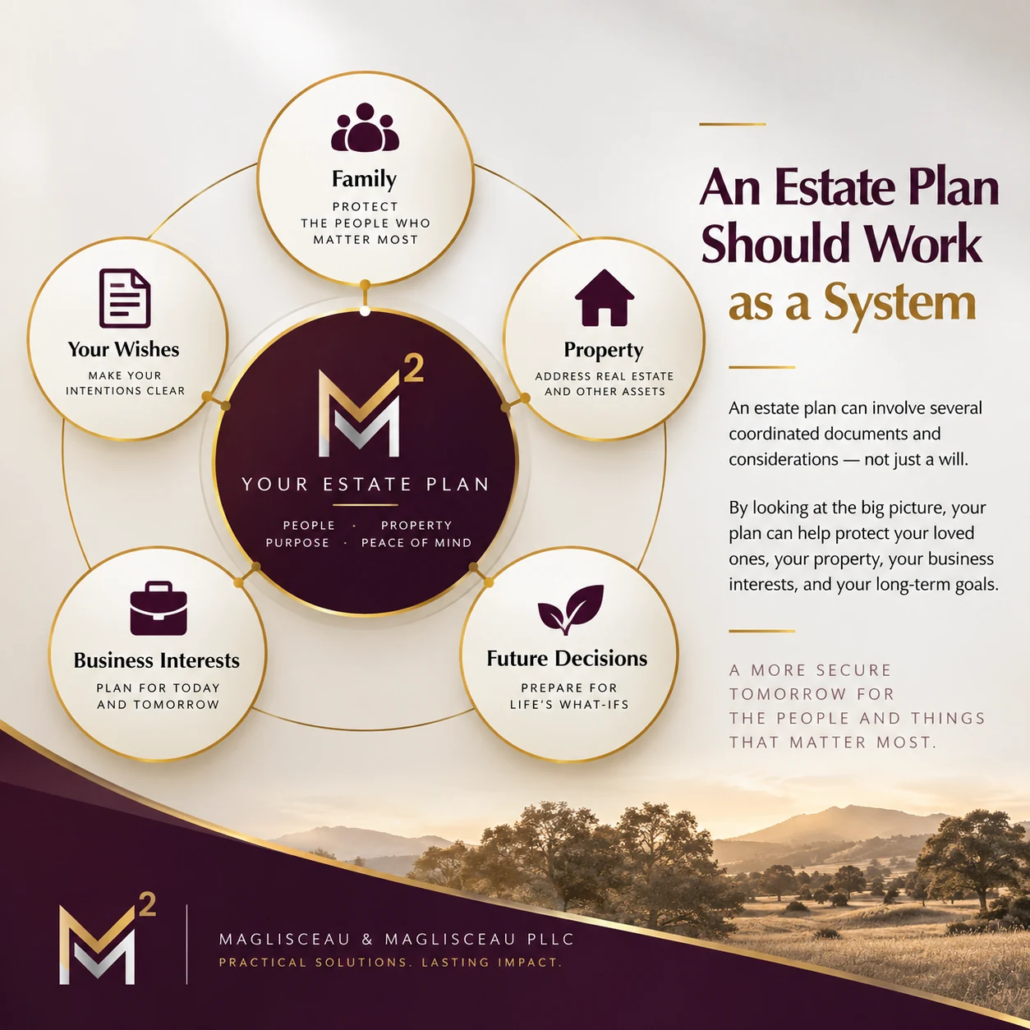
Estate planning system showing family, property, business interests, personal wishes, and future decisions

When Should You Review Your Estate Plan?

Life changes that may require an estate plan update, including marriage, family, property, business, and financial changes

Estate planning is not necessarily a one-time event. Changes in your family, finances, property, or goals may make it appropriate to review an existing plan.

REAL-WORLD EXPERIENCE

Legal Guidance Informed by More Than Legal Documents

Steve Maglisceau brings more than 10 years of experience involving wills and estates together with decades of real-world experience involving real estate and business matters.

  • 10+ Years

    Wills & Estate Experience

  • 27+ Years

    Real Estate Experience

  • Business Owner

    Firsthand Perspective

Serving Cooke County, Grayson County & North Texas

Wills & Estate Planning for North Texas Families

Maglisceau & Maglisceau, PLLC serves clients in Cooke County, Grayson County, and surrounding North Texas communities.

  • Cooke County

    PRIMARY

  • Grayson County

    PRIMARY

A Clear Estate Planning Process

01
Start With Your Situation
Discuss your family, property, concerns, and objectives.

02
Identify Your Priorities
Determine what the estate plan needs to accomplish.

03
Develop the Plan
Prepare a strategy and appropriate documents around those objectives.

04
Review & Move Forward

Understand the plan and complete the appropriate next steps.

FAQ

Texas does not require you to hire an attorney to prepare a will, and official forms are available for certain straightforward situations. However, a will must meet Texas legal requirements to be valid. An attorney can help ensure the document is properly prepared and reflects your wishes, particularly when real estate, business interests, blended families, or other complexities are involved.

When a person dies without a valid will, they are considered to have died “intestate.” Texas law then determines how qualifying property passes to surviving family members. The result depends on factors such as whether there is a surviving spouse, children or other relatives, and whether property is characterized as community or separate property.

It is a good idea to review your estate plan after significant life or financial changes. These may include marriage or divorce, the birth or adoption of a child, buying or selling significant property, changes in business ownership, the death of a beneficiary or executor, or substantial changes in your finances. Even without a major event, periodically reviewing your plan can help ensure it continues to reflect your circumstances and intentions.

No. A will is one document that can be part of a broader estate plan. Depending on your circumstances, estate planning may also address powers of attorney, medical or advance-planning documents, beneficiary arrangements, real estate, business interests, and other planning considerations. The appropriate combination depends on the individual and their objectives.

Estate planning can be particularly important for business owners because personal and business interests may be closely connected. Planning can address what should happen to an ownership interest, who may be involved in future decisions, and how the business fits into the owner’s broader estate. The appropriate strategy will depend on the business structure, ownership arrangements, and the owner’s goals.

Yes. Real estate can be an important part of an estate plan. A plan may consider how property is owned and how the owner intends for that property to be handled in the future. Because real estate ownership and estate planning can intersect in different ways, the appropriate approach depends on the property and the owner’s circumstances.

It can be helpful to bring information about your family, significant assets and debts, real estate, business interests, existing wills or estate-planning documents, and any beneficiary arrangements you already have in place. You should also think about the people you may want to make decisions or carry out responsibilities on your behalf. Complete information helps your attorney understand the bigger picture and discuss planning options with you.